

RETURN TO RUBBLE
JULY 2026 | Karabakh, Azerbaijan
In the villages of Nagorno-Karabakh near Fuzuli, walls stand open to the weather while an eerie quiet envelops them. Cemeteries are unhurriedly overgrown, unmarked white bomb disposal vans speckle the horizon, a lone beekeeper chooses to live in the rubble rather than leave his hives. The war over Nagorno-Karabakh displaced communities on both sides - Azerbaijanis in the 1990s and more than 100,000 Armenians in 2023. Photographed in July 2026, this series follows the small, ordinary acts that continue among the ruins.
READ ESSAY
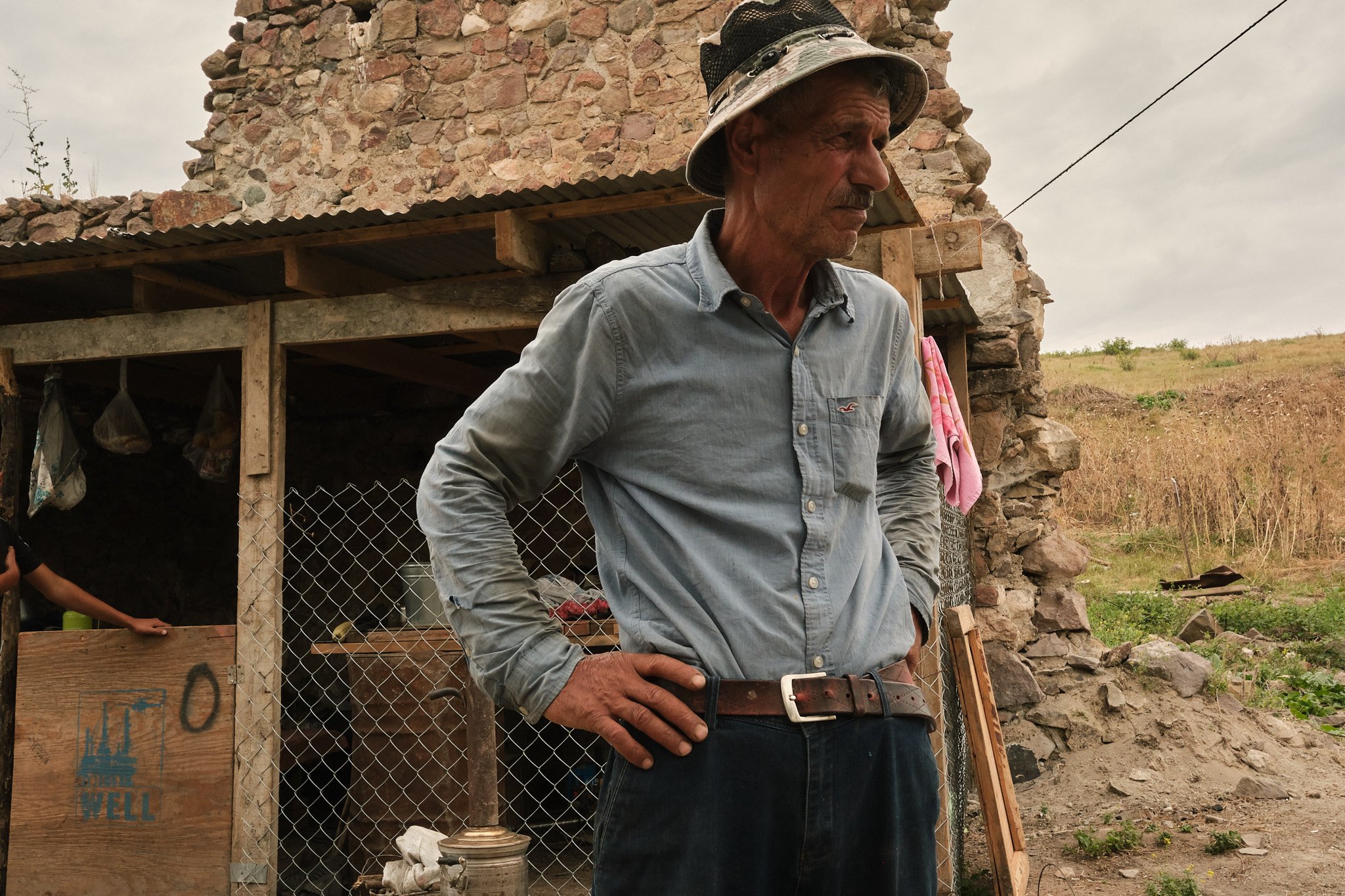
Muhammad, an Azerbaijani beekeeper, stands beside the damaged building in which he lives. Today, only Muhammad and his son remain in their flattened village. He maintains the small cemetery and protects what is left from being swallowed by plants; Nagorno-Karabakh, in a village near Fuzuli, July 2026.

Muhammad's beehives. He sells the honey in 'Return', the newly renamed village just outside the militarised zone; Nagorno-Karabakh, in a village near Fuzuli, July 2026.
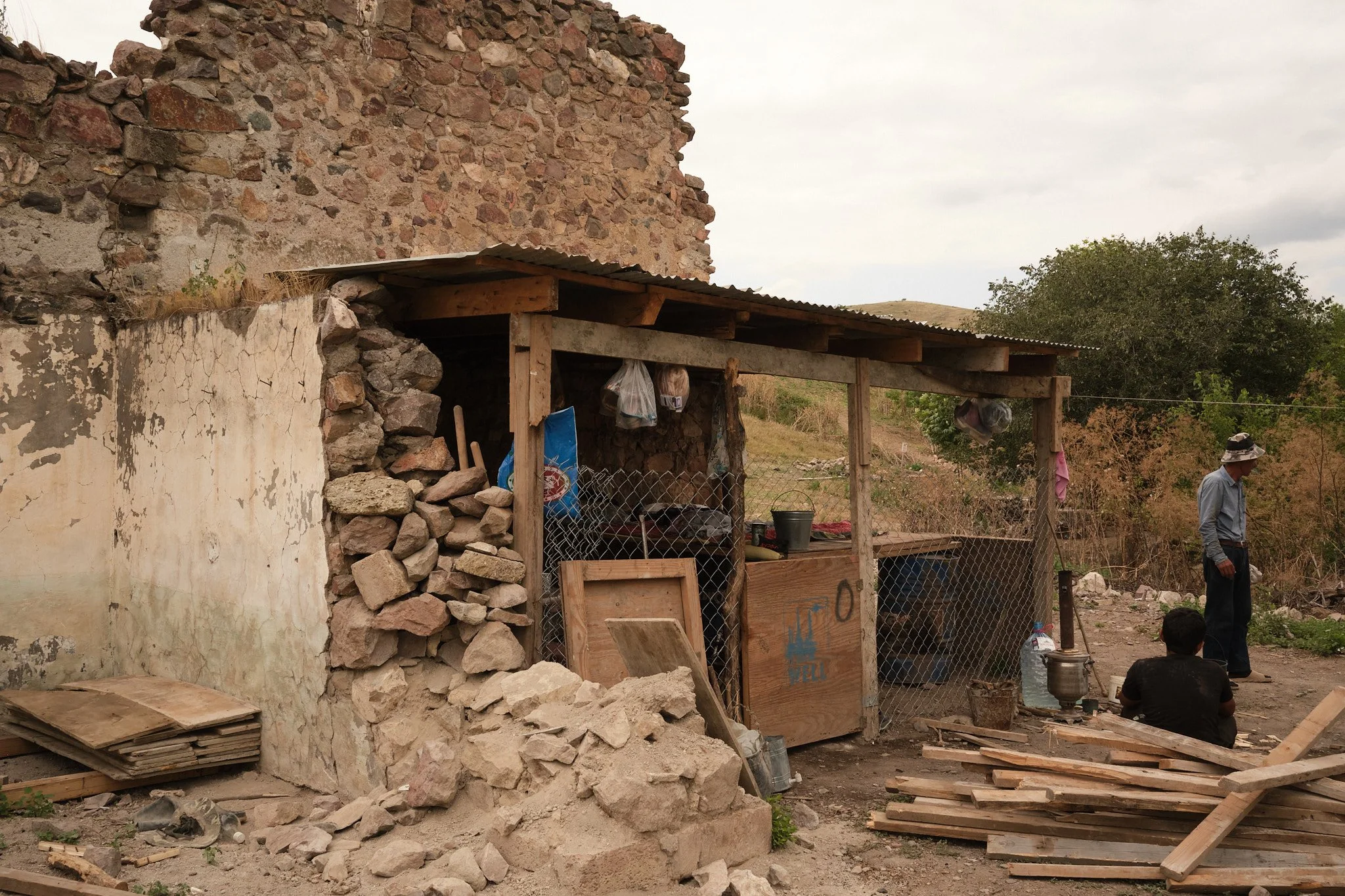
In what was previously the bathroom to a grander home in the village, a father and son now live inside, close enough to tend to their bees; Nagorno-Karabakh, in a village near Fuzuli, July 2026.
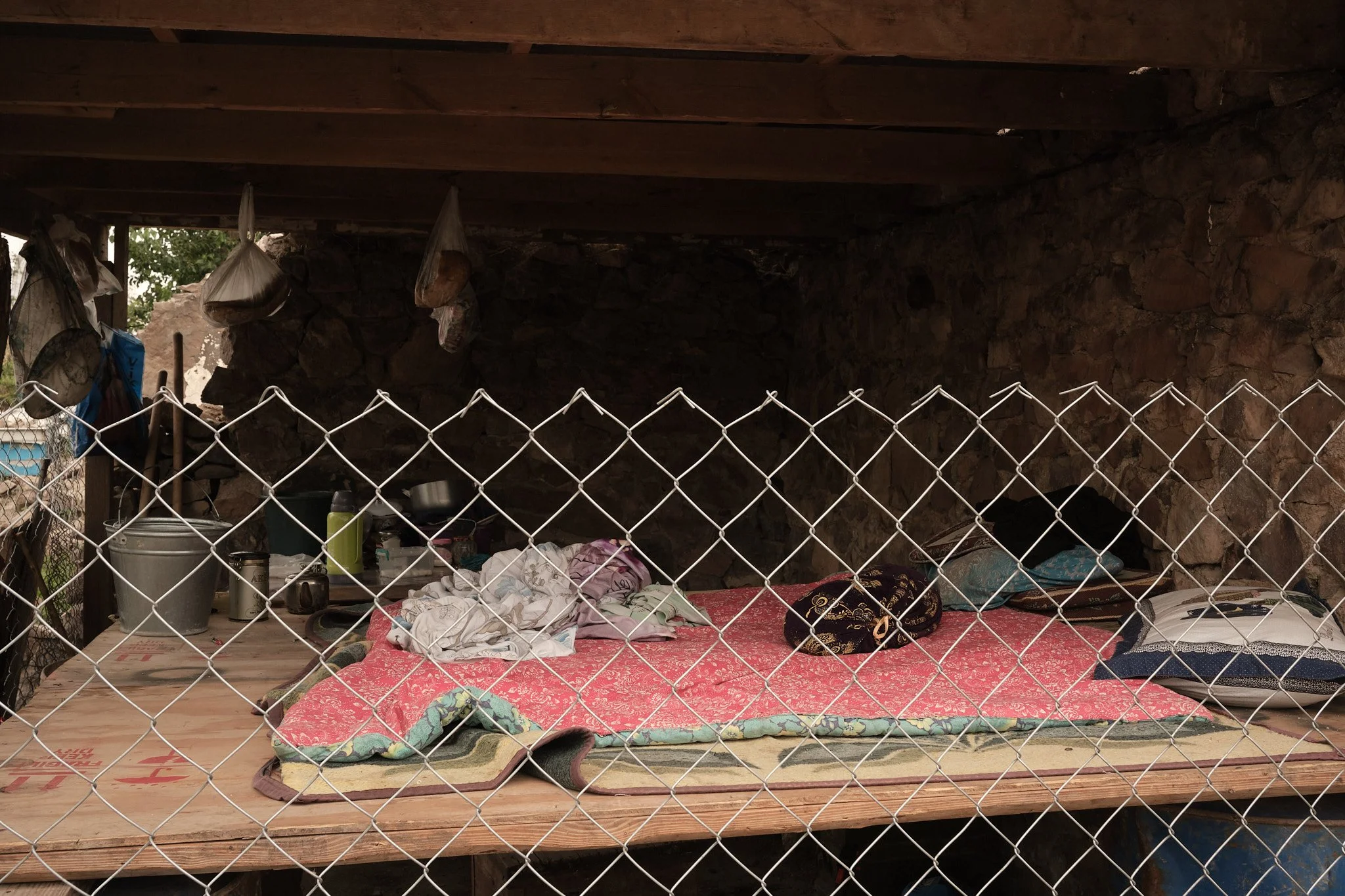
The sleeping arrangements within a destroyed house in Nagorno-Karabakh. Raising the platform off the ground is a precaution against venomous snakes. Food is hung in plastic bags to save it from insects; Nagorno-Karabakh, in a village near Fuzuli, July 2026.
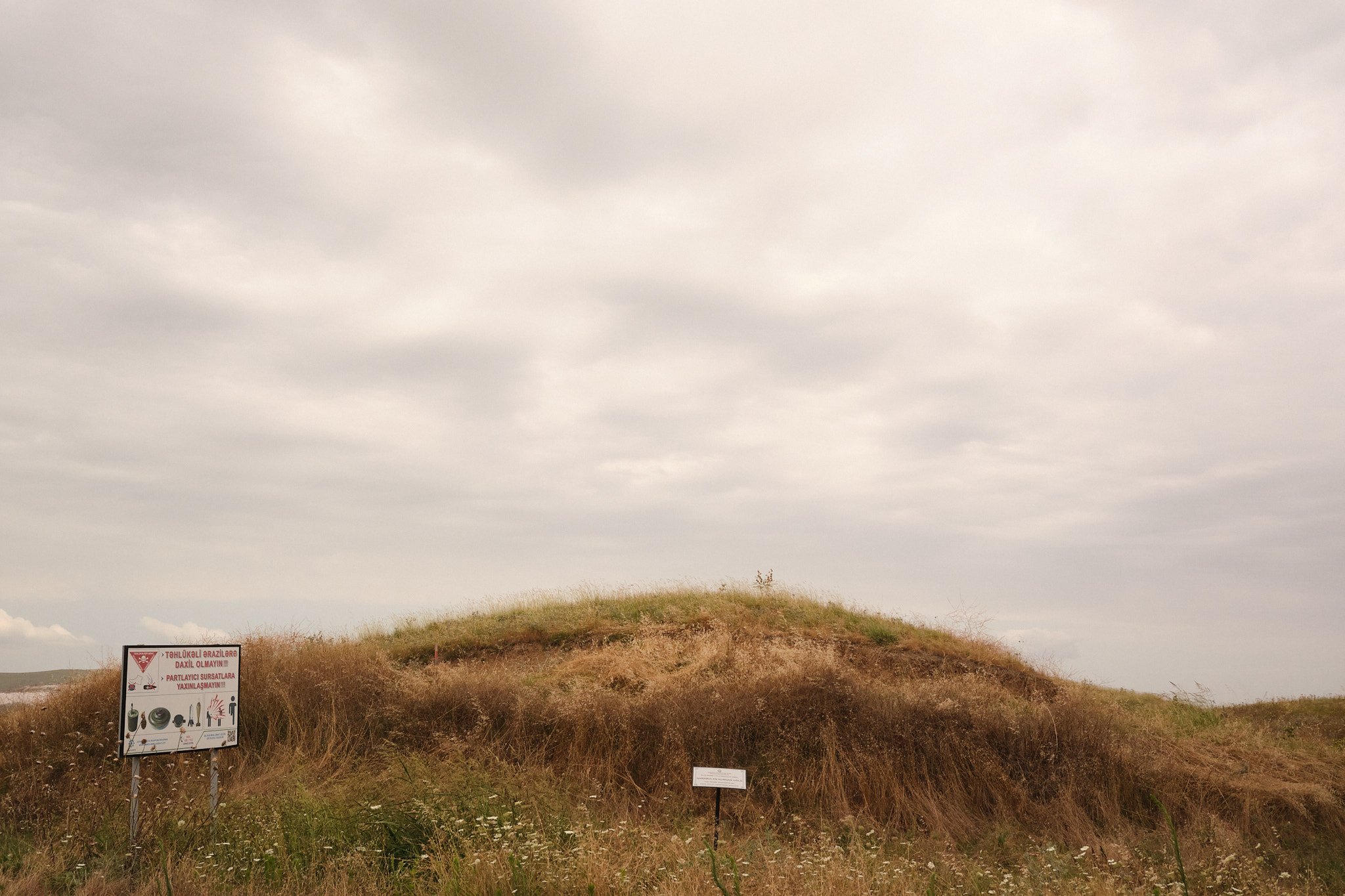
Signs warn of landmines and other unexploded weapons: “Do not enter dangerous areas. Do not approach explosive ordnance.” Aslan explained that these unassuming mounds were used as lookouts during the conflict; Nagorno-Karabakh, July 2026.
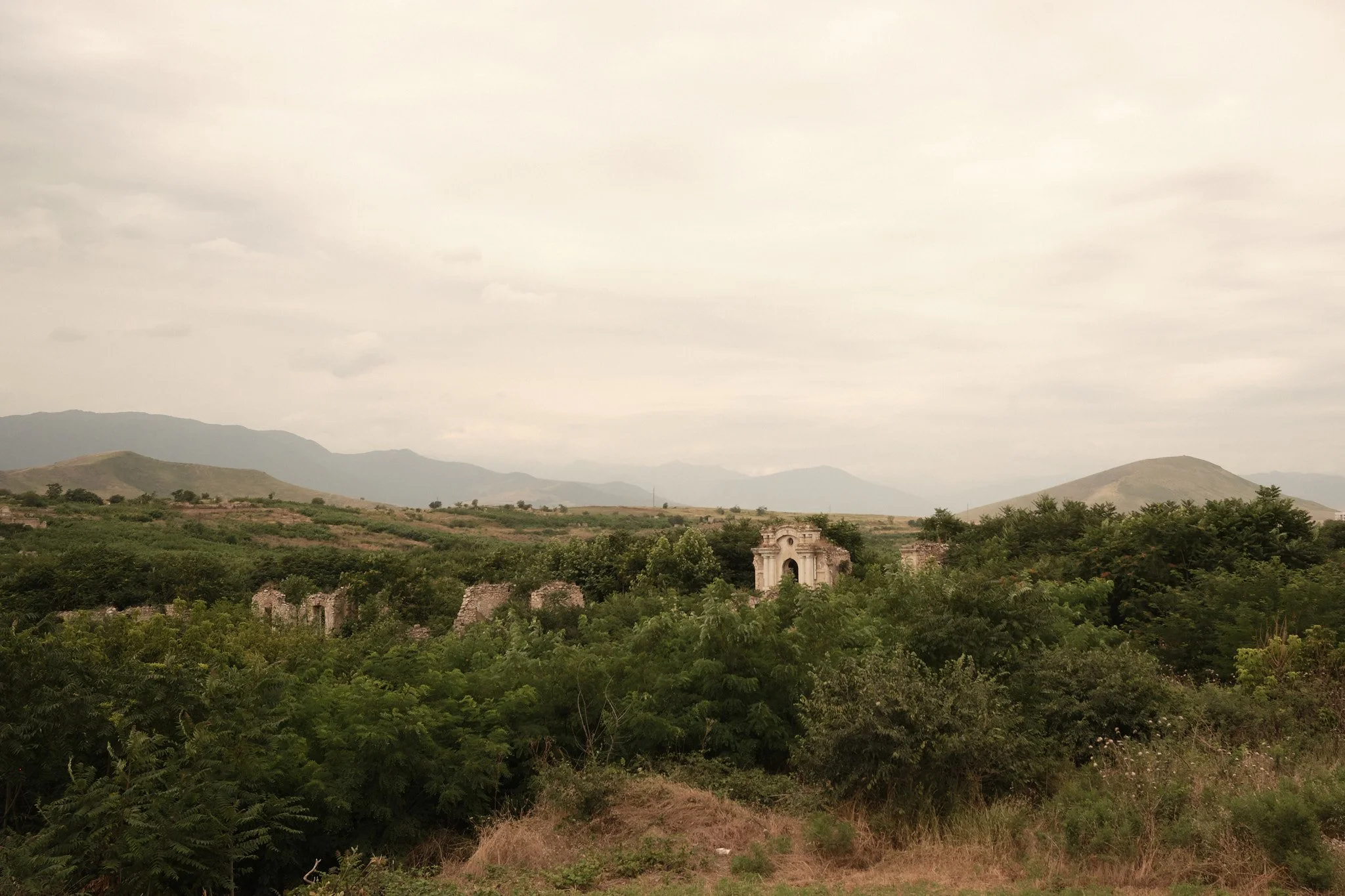
Once-opulent buildings stare back through the undergrowth; Nagorno-Karabakh, July 2026.

A shirt dries outside a damaged home as Muhammad's son looks out from the enclosure where he keeps his rabbits; Nagorno-Karabakh, in a village near Fuzuli, July 2026.
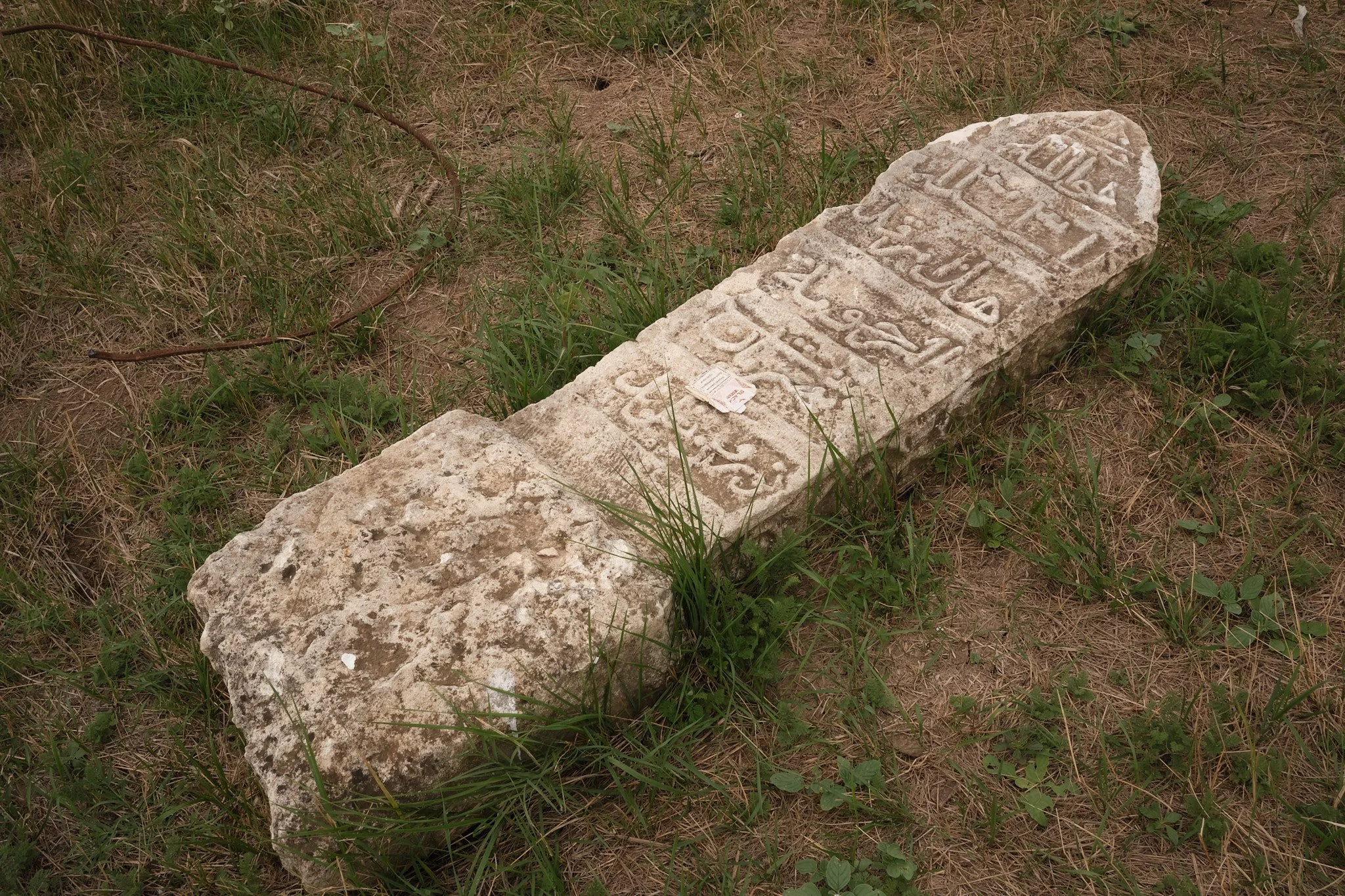
In a cemetery in Nagorno-Karabakh, a weathered headstone lies partly hidden in the grass with an empty cigarette box pressed onto it. Its inscription is carved in Arabic script, used here over centuries to write Persian, Arabic and Turkic. The stone hints at the region’s layered history; Nagorno-Karabakh, in a village near Fuzuli, July 2026.

Muhammad's son, last child remaining in a destroyed village, proudly holds up his white pet rabbit; Nagorno-Karabakh, in a village near Fuzuli, July 2026.

A USA-branded football rests beside a stone well in a destroyed village near Fuzuli. A large, venomous snake sits behind, just out of sight. Muhammad's son is the only child left in the village, making this football a rare glimpse of normality amid the rubble; Nagorno-Karabakh, in a village near Fuzuli, July 2026.
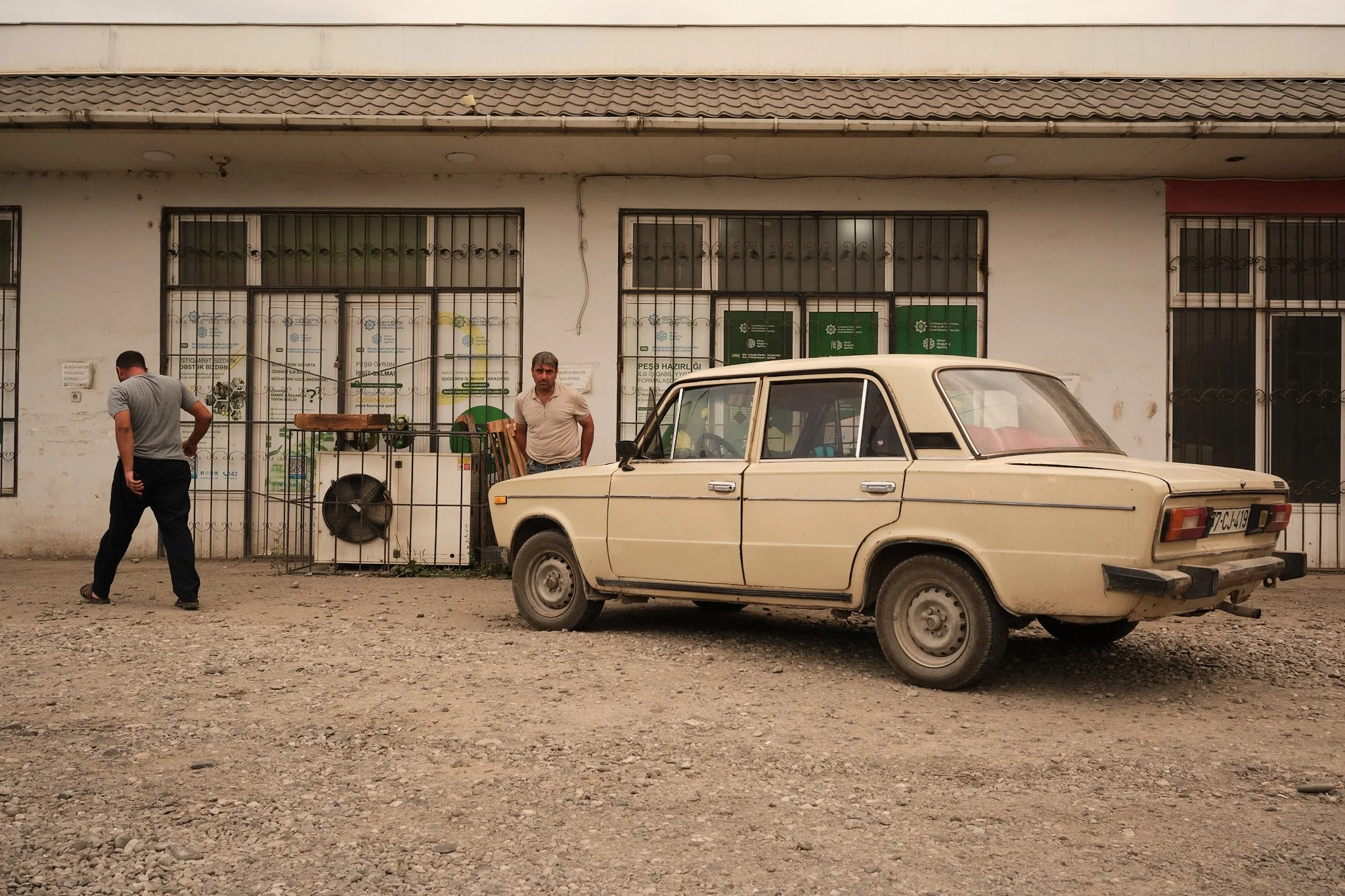
In Azerbaijan, each region has a licence plate area code. It is identifiable as the first two digits on a plate. In Fuzuli, Karabakh, this number is 19. To signify unwavering hope of return, and as a nod to others from their community, many Azerbaijanis who were displaced keep 19 as their final two digits; Karabakh, July 2026.
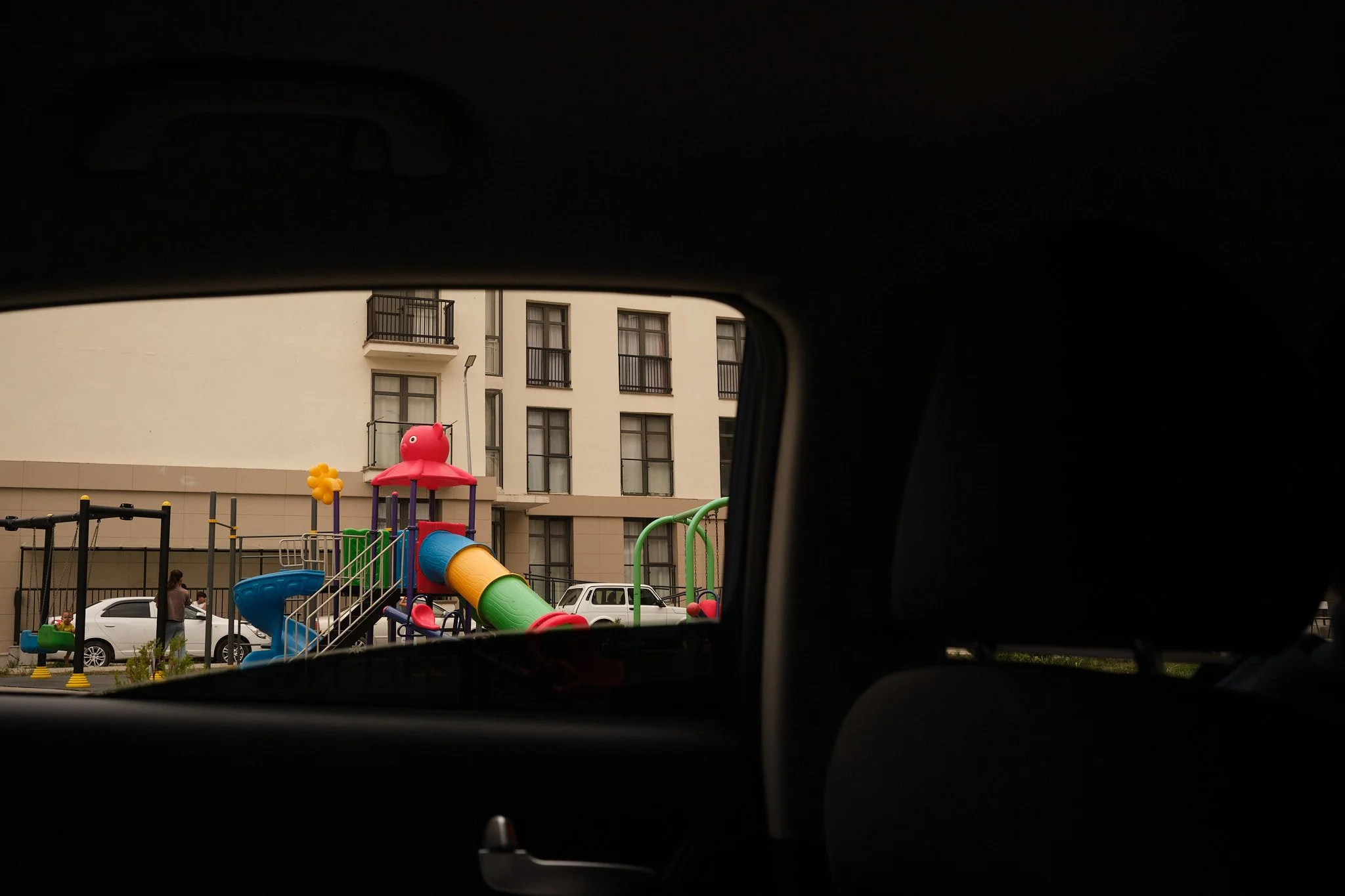
As displaced Azerbaijanis are encouraged to return, the government is building the bones of new communities; Nagorno-Karabakh, July 2026.
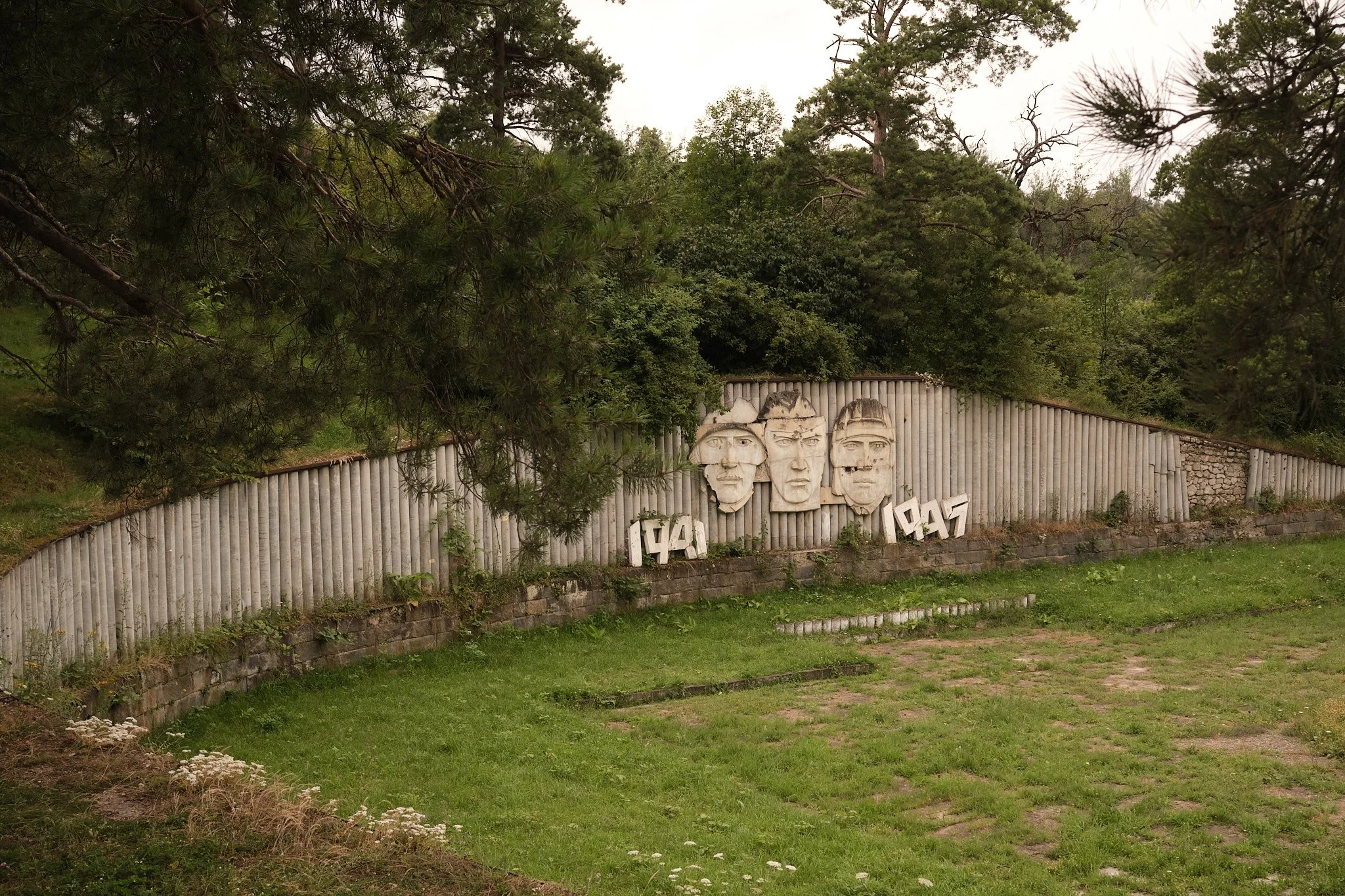
Second World War memorial from the years of the Soviet Union’s war against Nazi Germany, often called the Great Patriotic War. Bullet holes punctuate their faces - wounds which may have been inflicted in several different conflicts since; Shusha, Karabakh, July 2026.
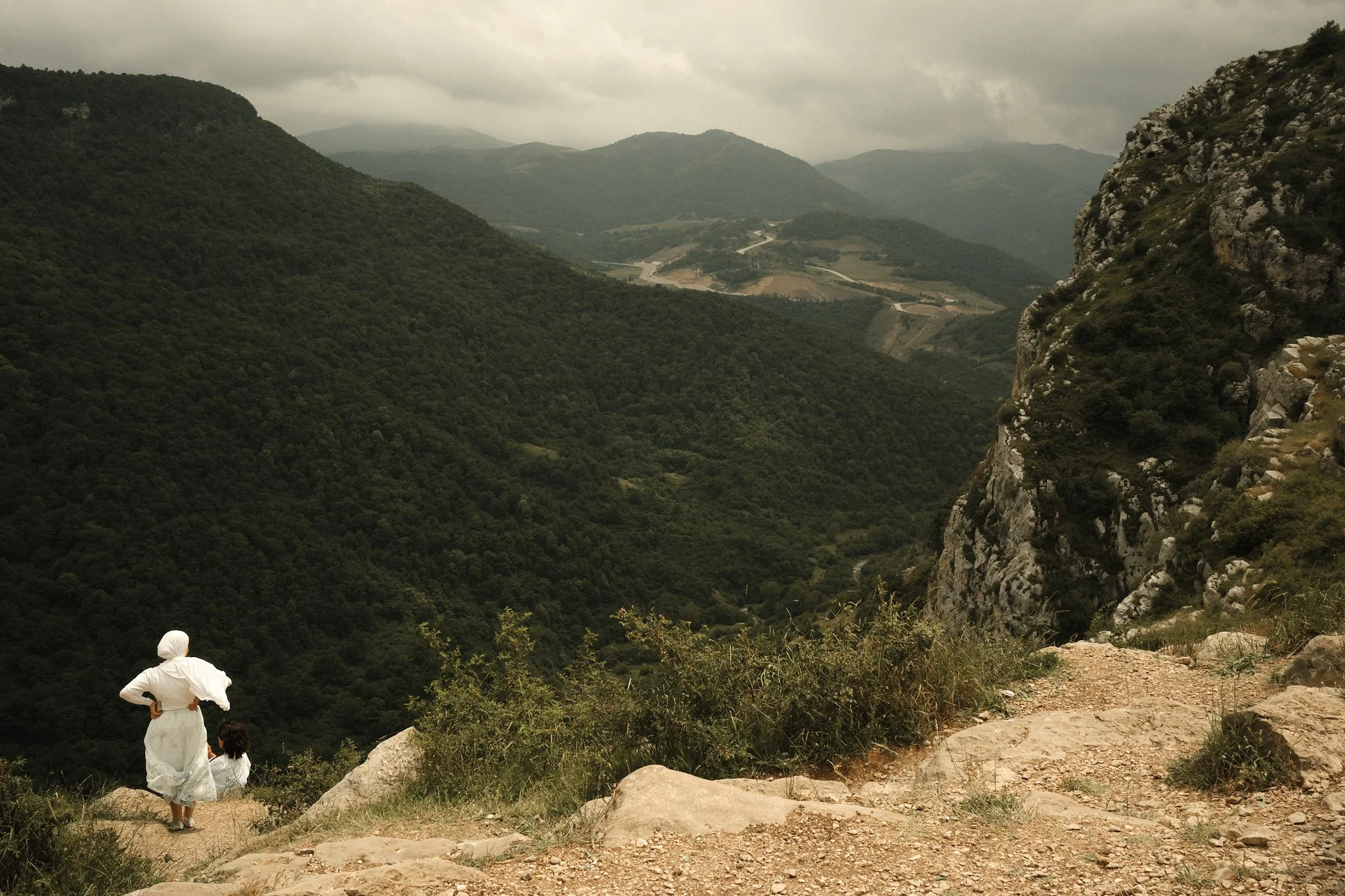
A woman looks out from the clifftop at Shusha. The phrase "next year in Shusha" is one known by many Azerbaijanis - a symbol of hope and perseverance that one day they will return to Karabakh. Perched above the valley, Shusha has long been seen as the key to Karabakh: whoever held it held the upper hand; Shusha, Karabakh, July 2026.
ESSAY
We met Aslan by chance in Baku, July 2026. Having been to Georgia and Armenia, my brother and I were interested in Azerbaijan.
We booked a last-minute city tour. An hour later, as we waited outside the agreed bakery, a man came sprinting towards us at full speed. No words were exchanged, just a breathless gesture to follow, and a surprisingly elegant spin on his heels. (It quickly transpired that he’d ground a highway of traffic to a halt with a questionable parking job.)
Once safely in our getaway car, and having all silently agreed not to mention the cacophony of honking and cursing moments before, our small talk quickly subsided after I asked “Where are you from?” His family had been displaced from Karabakh during the first war. He patiently responded to a confetti of questions, until I asked, “When did you last go back?”
“I go every weekend.”
Having only known of the situation in Nagorno-Karabakh through news reports, I had assumed it was still highly militarised and inaccessible. To learn that his family made a 10-hour round trip in convoy each weekend to barbecue in the rubble of their old village astounded me. He agreed to take us.
On 12 July 2026, a string of dusty old Ladas coughed their way along Zəfər yolu towards a police checkpoint. Many of their licence plates ended in ‘19’. In Azerbaijan, the first two digits on a plate denote an area code; in Fuzuli, Karabakh, it is 19. Displaced families from the district often keep 19 as their last two digits, a symbol of their hope of return. After three decades, in theory, they can.
On the drive, with one finger on the wheel and an extraordinary ability to maintain eye contact with me in the back seat, Aslan chirpily narrated memories of fishing in rivers, running between villages to trade oranges, and of how the excuse of tired legs was sufficient to stay the night in another village on his walk home. Everyone knew each other (and I sensed that Aslan’s tired legs were famous in households with enthusiastic cooks).
As we passed through the newly renamed “Return” village flanking the militarised zone, we were told to put our cameras down, produce our passports and roll down our windows. The mood changed dramatically on the other side of the checkpoint. The golden-hued stories seemed to desaturate. We drove past signs warning of unexploded weapons and landmines. The horizon was dotted with unmarked vans and bomb disposal teams in white coveralls. Vineyard posts connected by reinforced wire lay flat where, Aslan said, they had been used to obstruct tanks. As our car slowed down a dirt track, stone and mortar lay strewn across the hill where Aslan’s childhood village had stood.
We walked down an overgrown winding path until it opened up onto a picnic table. A knuckle of fresh bread lay on a pale blue chequered tablecloth. A dirty knife with a residue of cheese lay beside an apricot pit that was being mauled by ants. Two conical cups of black tea sat half-drunk on oddly formal saucers. From behind a free-standing stone wall (once the boundary of a home), a man walked towards us. He greeted Aslan with a firm, familiar handshake, then nodded for us to follow him to the other side of the wall. Muhammad had been offered a place to stay outside of the militarised zone, but insisted on remaining. Only he and his son were left, and slept side-by-side on a small platform in what once was the bathroom of a grander building. During the day, they tended to their bees, weeded the cemetery, and shepherded goats and a few chickens. Deep grooves in Muhammad’s face and indifferent hospitality hinted at the fatigue of this tragic situation.
In September 2023, following a months-long blockade that caused food, medicine and fuel shortages, Azerbaijani forces took full control of Nagorno-Karabakh. More than 100,000 Armenians fled to Armenia - almost the region’s entire remaining Armenian population.
Aslan, a polyglot and now a postdoctoral researcher on the wider Caucasus region, explained that the only way he could carry the weight of generational sadness was to understand what had happened - from both sides. With both sorrow and empathy in his eyes, he told me:
“Karabakh is not a place, it’s a person, and that person is suffering. No one can build happiness on the tragedy of others.
Hate doesn’t give anything to anyone. Hatred is something where, by the end, you look like the person you hate.”
Aslan then brought us to visit those of his family who had recently moved back. His aunt had accepted housing through the government’s “Great Return” programme. She moved into a complex with amenities including a dentist, pizza parlour, school and playground. The buildings looked hastily finished: plaster was bare, corridors unlit, and only a few flats seemed occupied.
Inside, the flat was warmly lit and well furnished, with a tomato plant thriving and sweets piled beside the tea; it could have been anywhere. His elderly aunt spoke of being part of a lost generation: leaving when she was a young woman, and returning in old age. Her husband didn’t survive to join her. As she welled up while responding to my translated questions about optimism, her 12-year-old grandson walked into the room. Everyone’s faces softened at this polite, self-assured boy dressed in an Argentinian football shirt. The family teased him warmly for the bravado he put on about his English before the real test: his first chance to speak to a native speaker. I asked through Aslan if he felt a sense of responsibility:
“I see that everyone is looking to me with hope. I will do my best to make them proud.”
Names have been changed to protect the identities of those featured.